
Introduction: Having Trouble Sleeping? Try Relaxing from Your Feet
When you lie in bed at night, your mind is like a machine that never stops running? Small things during the day, plans for tomorrow—all of them crowd your mind, making it impossible to fall asleep. Don't worry, you're not alone. Actually, there's a simple and comfortable method that can help you let go of these thoughts—foot massage. In traditional Chinese medicine, it's often said, "The feet are the second heart." By gently stimulating the soles of your feet, you can calm your mind, balance your qi and blood, and gradually prepare your body for sleep. Today, we'll talk about how to use foot massage to help you have a good night's sleep.
Why Does Foot Massage Help You Sleep?
The soles of your feet have many reflex zones corresponding to different parts of your body. Gently massaging these areas can help you relieve tension and relax tight muscles. At the same time, it can promote blood circulation and achieve the effect of balancing qi and blood. When you focus on each press and breath, your mind will gradually calm down, no longer disturbed by distractions. This is the concept of "adapting to daily rhythms and balancing yin and yang" in traditional Chinese health practices—being active during the day and quiet at night. The massage helps you transition into a quiet state before bedtime.
Three-step Foot Massage Method: Simple and Comfortable
Step 1: Create a Relaxed Environment
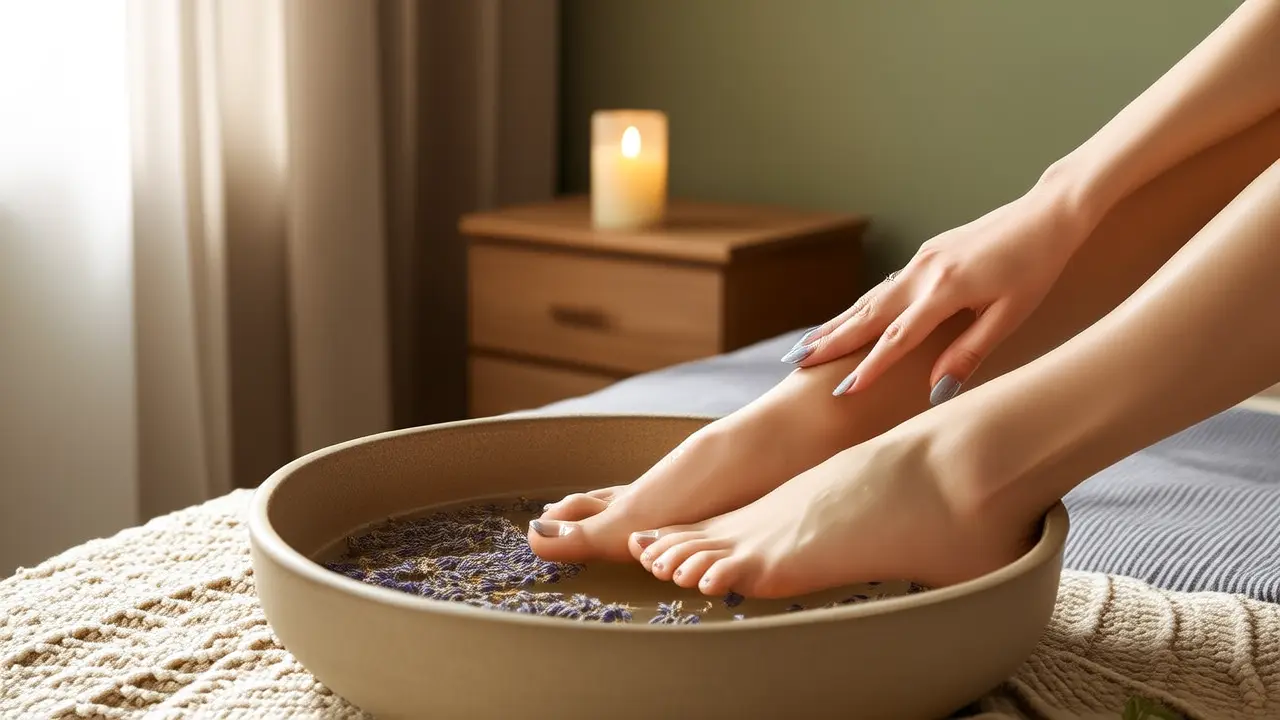
First, take a hot foot bath, with water temperature around 38-40 degrees Celsius, for 10 minutes. You can add some sea salt or a few drops of lavender essential oil to the water. Soaking your feet makes your soles slightly warm, promoting blood circulation and preparing for the massage. Take a soft towel to dry your feet, then apply some moisturizer or a base oil (coconut oil or olive oil works fine). Then find a comfortable sofa or sit by the bed, and relax your feet.
Step 2: Find the Key Point – Yongquan Point
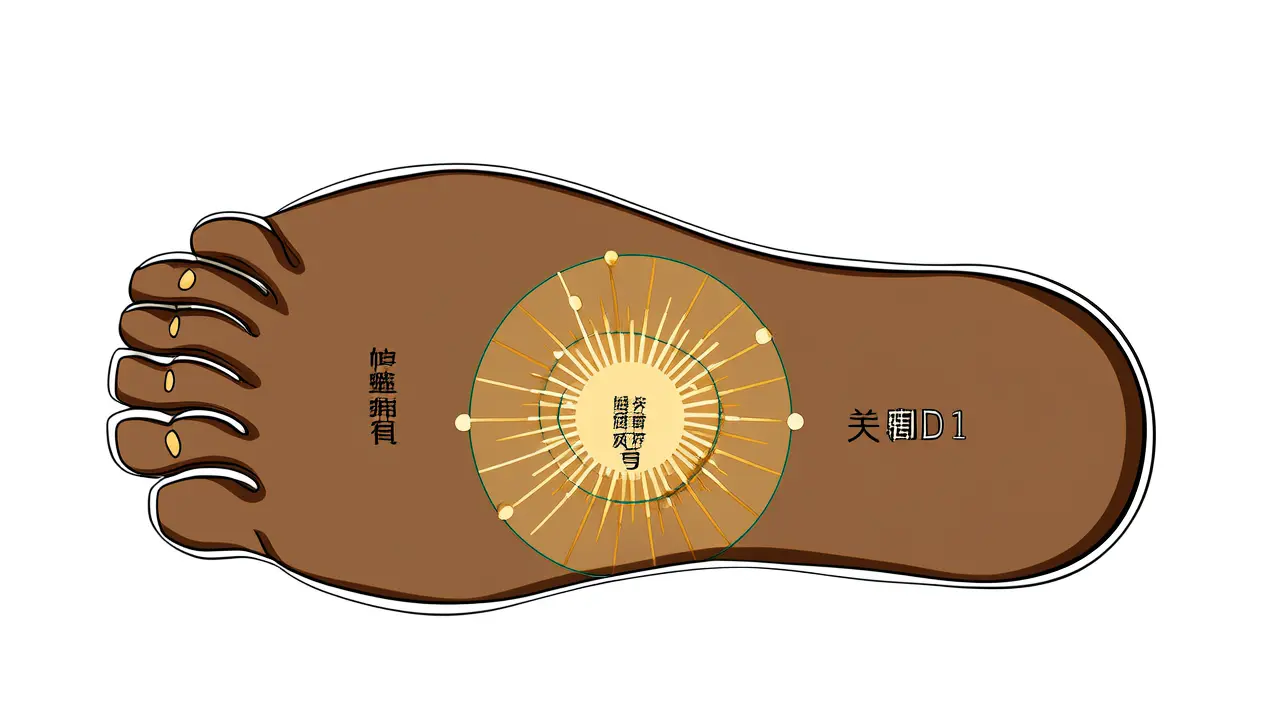
The Yongquan point is located in the middle depression of the front one-third of the sole, where the toes bend. This is an important acupoint for calming the mind and soothing the spirit in traditional Chinese medicine. Use your thumb to slowly press this point from the heel toward the toes, applying gentle but firm pressure, feeling a slight soreness and distension. Each press should last 5 seconds, then release, repeating 10 times.
Step 3: Fully Relax the Entire Sole of the Foot
Start from the base of the toes, use your thumb to draw small circles, pushing down to the heel layer by layer. Stay on each area for 10-15 seconds. Pay special attention to the middle of the sole and the heel, which are commonly tense areas. If your hands feel tired, you can use a massage ball or a tennis ball, rolling it under your feet gently. The whole process takes about 10-15 minutes. Remember to combine it with deep breathing: inhale for four seconds, exhale for six seconds, allowing your body to gradually sink down.
What Improvements Can It Bring to Your Sleep?
By consistently doing this, you'll find that after lying down, your heart no longer feels so restless, and your body warms up more easily. Many people feel a natural sense of drowsiness after the massage, falling asleep faster and experiencing fewer awakenings during the night. Moreover, when you wake up the next morning, your soles and entire body feel much lighter. This is essentially the result of adapting to your daily routine and regulating your body and mind.
Summary
Foot massage helps you sleep well, the key lies in helping you gradually release the tension of the day, while also making you focus on your body and breathing. You don't need any special tools, nor does it take much time. Every night before going to bed, give yourself 10 minutes, massage while breathing deeply, and you will be surprised to find that a good night's sleep is so close.
Disclaimer
This article is for reference only and does not constitute medical advice. If you have sleep problems or other health concerns, please consult a professional healthcare provider.