
Introduction: Emotions Also Need Daily "Mini Care"
With a fast-paced lifestyle and long screen time, many people often feel闷 (depressed), have trouble sleeping, and experience dry eyes. In fact, emotions, like the body, need gentle care every day. Today, I share a simple and practical "3-Step Daily Emotional Management Relaxation Method." It doesn't require specific time; just spend a few minutes at three key moments—morning, noon, and before bedtime—with some small actions to help your mind and body gradually return to balance. This method integrates the wisdom of traditional Chinese health practices: following the natural rhythm of the day, nurturing energy, and maintaining mental and physical balance. Let's try it together.
Step 1: Morning - Deep Breathing + Stretching, Awakening Body and Mind

Applicable Scenario: Just woke up, feeling dazed and stiff.
Operation Steps:
1. After waking up, don't rush to check your phone. Lie flat on your back with your hands on your abdomen.
2. Breathe in slowly through your nose, feeling your belly rise; then exhale slowly through your mouth, feeling your belly sink. Repeat this five times.
3. Sit up and slowly rotate your neck and shoulders, doing a few simple chest expansions and side stretches.
Effect: Helps promote blood circulation, relaxes tense nerves, making you feel relaxed and alert, laying a good foundation for your emotions throughout the day. This is what traditional Chinese medicine refers to as "regular daily routines and stretching vital energy."
Step 2: Noon - Closing Eyes and Resting + Eye Care, Reducing Screen Load
Applicable Scenario: After working or using your phone for 1-2 hours, eyes feel sore and mood is irritable.
Operation Steps:
1. Stand up and leave your seat, walk to the window or balcony.
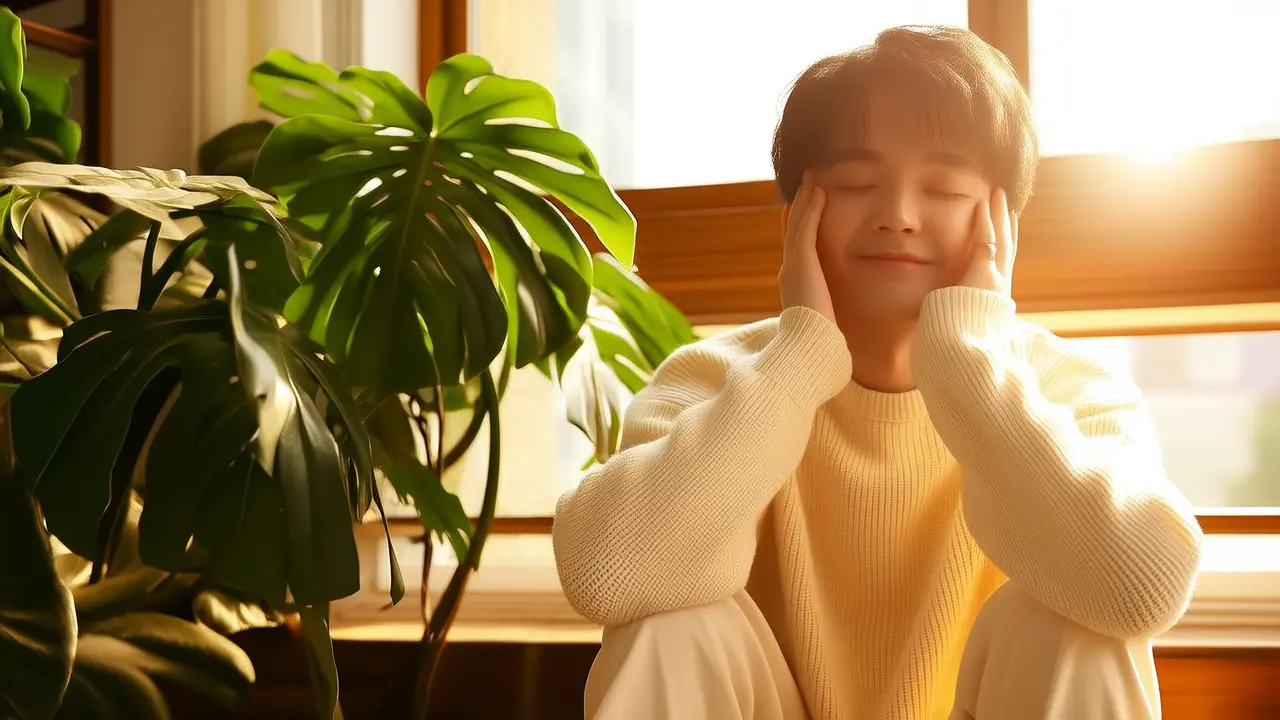
2. Close your eyes, rub your hands to warm them up, then gently cover your eyes (without pressing). Keep this for one minute.
3. Slowly open your eyes, look into the distance (green plants are best), while taking three deep breaths.
Effect: Relieves eye fatigue, gives your brain a short break, and significantly calms your mood. According to traditional Chinese medicine, "the liver opens into the eyes," so eye care is equivalent to liver care. When the liver energy flows smoothly, your mood naturally stabilizes. Consistently practicing this can also prevent dry eyes and worsening myopia.
Step 3: Before Bed - Meditation + Warm Foot Bath, Nourishing Vital Energy
Applicable Scenario: Half an hour before bedtime, thoughts are chaotic, and you can't fall asleep.
Operation Steps:
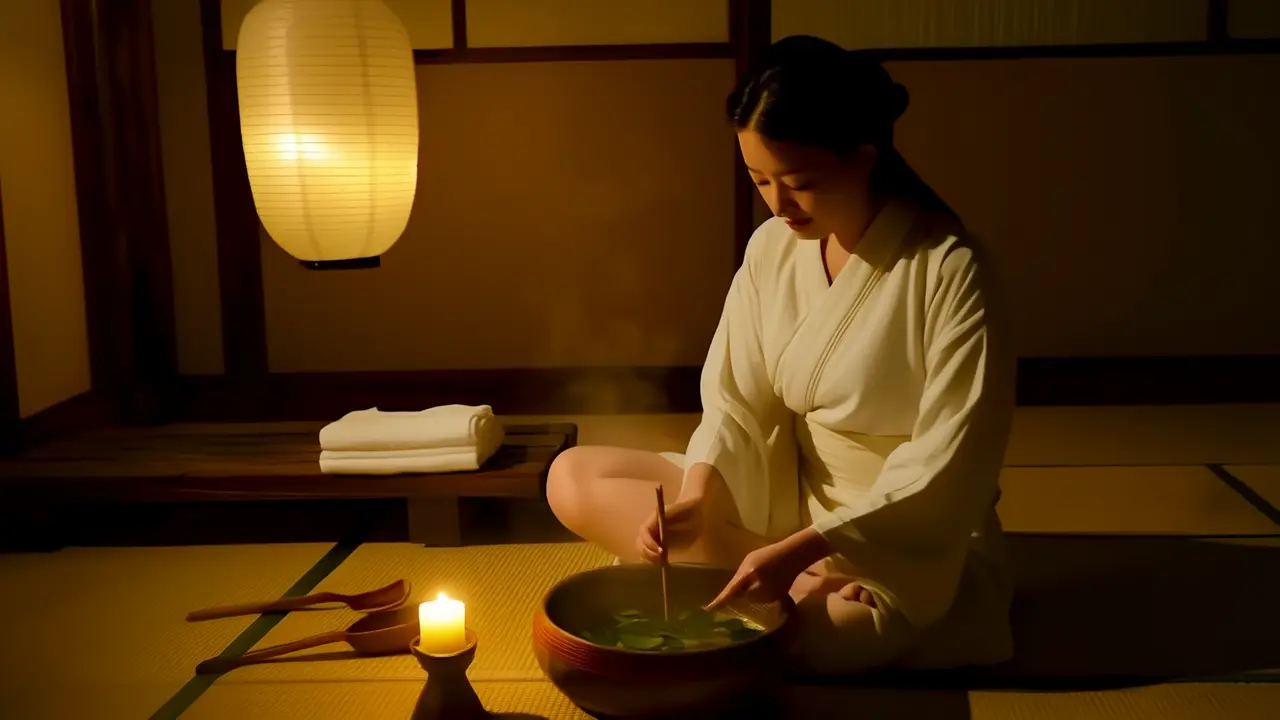
1. Prepare a basin of warm water around 40°C (above the ankles), soak your feet for 10-15 minutes.
2. While soaking your feet, sit or lie down and do a 5-minute body scan meditation: starting from your toes, gradually focus on the sensations of each part of your body, without judgment, just awareness.
3. After soaking, gently massage the Yongquan point (the depression in the front third of the sole) for one minute each.
Effect: Guides heat downward, calming the excited sympathetic nervous system, helping you fall asleep quickly and improving sleep quality. Traditional Chinese medicine states, "When a person lies down, blood returns to the liver." Good sleep is the best emotional repair. Consistently practicing this will make you find that your emotions during the day become more stable, and you'll have fewer unexplained irritations.
Summary: Turning Health Practices into Daily Habits
Emotional management doesn't require complex theories or dedicated one-hour sessions. A morning deep breath, a noontime closed-eye rest, and a bedtime foot bath with meditation—three simple steps, taking less than 20 minutes daily, can bring real improvements to your mind and body. Remember: follow the natural rhythm of the day, nourish your energy, and take good care of yourself. Your emotions will naturally improve. Start today and try this 3-step daily emotional management relaxation method!
Disclaimer
The content of this article is for reference only and cannot replace professional medical advice. If you have serious emotional issues or physical illnesses, please consult qualified health professionals promptly. The author and platform assume no responsibility for any health risks arising from the use of this information.