
Introduction: Try This Ancient and Simple Method When Stressed
Life is fast-paced, work is busy, and when you lie in bed at night, your mind is still all over the place? Actually, you just need a very simple technique - deep breathing. This small method comes from ancient Eastern health wisdom, which can help calm your mind, balance your energy, and gradually relax your body to get a good sleep. Today, we will only talk about this one technique, called "diaphragmatic breathing," suitable for any moment when you feel tense, anxious, or have trouble sleeping.
What Is Diaphragmatic Breathing?

Diaphragmatic breathing is different from our usual shallow and quick chest breathing. It allows air to sink into the abdomen, like a gentle massage for internal organs. In traditional Chinese medicine, it's said that "qi sinks to the dantian," meaning that breathing becomes deep and steady, thus balancing the yin and yang of the body and soothing tense nerves. You don't need any tools, and you can do it anytime.
How to Do It? Three Simple Steps
Step One: Find a Comfortable Position
You can lie down or sit. If you're trying to fall asleep at night, it's best to lie flat on your back with a pillow under your knees, fully relaxed. Close your eyes and gently place your hands on your stomach.
Step Two: Breathe Slowly, Let Your Belly Rise
Breathe in slowly through your nose, counting to 4 in your mind. Feel your belly rise like a balloon, not your chest. Imagine drawing fresh oxygen and calm energy into your body.

Step Three: Breathe Out Slowly, Let Your Belly Sink In
Breathe out slowly through your mouth or nose, counting to 6 in your mind. Let your belly completely sink in, feeling all your stress and worries leave your body with each exhalation. Repeat this process 5 to 10 times, or until you feel your body grow heavier and your mood calmer.
When to Use It? Suitable for Various Scenarios
- Lying in bed before sleep — helps switch your body from the tension of the day to a restful mode, balance your energy, and align with the evening's "yin" energy.
- When feeling anxious or irritated — such as during a break at work, before a meeting, or after an argument, a few minutes of deep breathing can slow down your heartbeat.
- Feeling stiff upon waking up — do a few deep breaths, combined with gentle stretching, to awaken your body without rushing.
With Regular Practice, You Will Notice These Improvements
Spending 5 minutes daily practicing diaphragmatic breathing, you may find that within a week: you fall asleep faster, wake up less during the night, and are less prone to tension during the day. Traditional Chinese medicine believes this method can "calm the mind and soothe the spirit," and long-term practice can also help balance emotions and relieve physical and mental stress. Most importantly, it is safe and risk-free, and anyone can try it themselves.
Summary
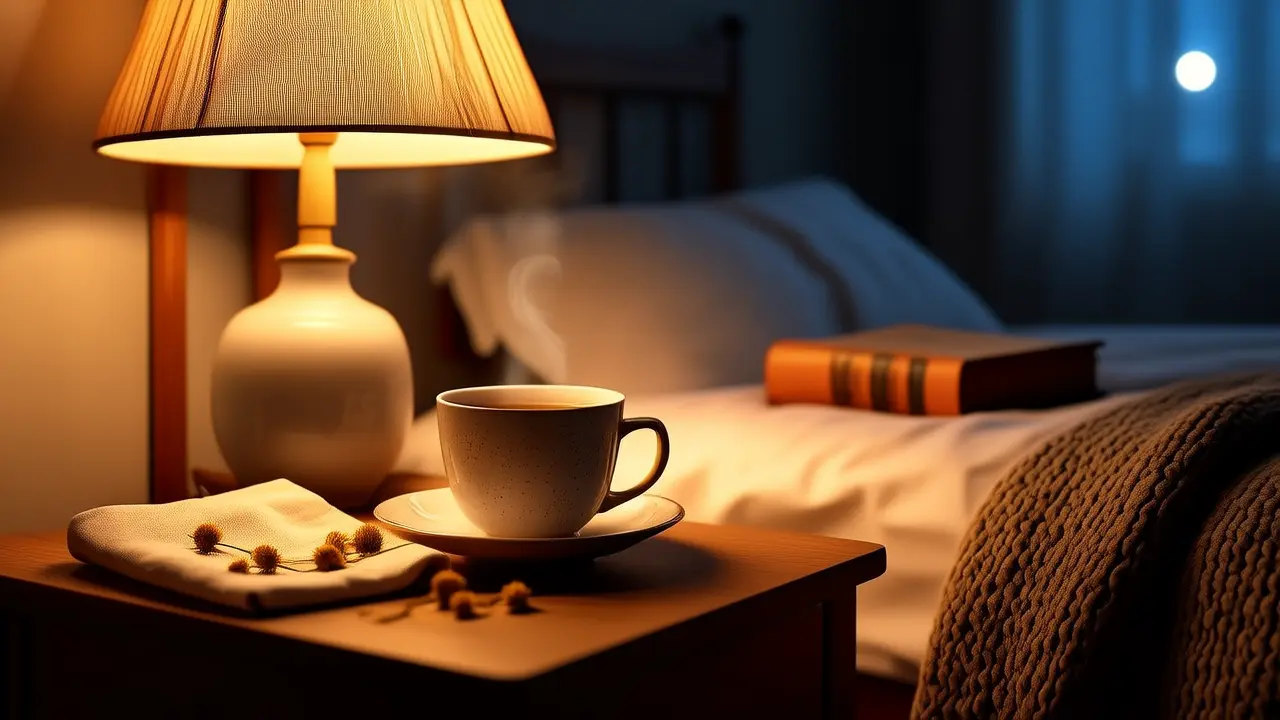
The deep breathing relaxation technique requires no money and no special location. The next time you feel stressed or have trouble sleeping, spend a few minutes doing some diaphragmatic breathing. Remember: breathe in slowly, breathe out even more slowly, let your body find its own rhythm of relaxation. Combined with regular sleep schedules, you'll find your sleep quality quietly improves.
Disclaimer: This article provides general health information and cannot replace professional medical advice. If you have severe insomnia, anxiety, or respiratory diseases, please consult a doctor.