
Introduction: Your Stomach Needs a Small Change
Do you often feel bloated, burp, or feel sluggish after eating? Actually, the root cause of many digestive discomforts might just be eating too quickly. In our busy lives, we often eat while looking at our phones, completely forgetting that food needs to "travel" in our mouths. Today, I share a very simple and effective tip—chewing slowly and thoroughly. It doesn't require any special ingredients; just slowing down a little bit can make digestion smoother and your body feel more comfortable.
Detailed Dietary Tips: How to Chew Slowly and Thoroughly
Applicable Symptoms

If you often experience post-meal bloating, indigestion, acid reflux, or a feeling of fullness in your stomach after eating, this method is especially suitable for you. It can also help improve constipation and keep your overall digestive system younger.
Required Ingredients
Actually, any natural ingredients are applicable. However, to support this habit, it's recommended to choose whole foods, such as fresh vegetables, fruits, whole grains, legumes, nuts, and seeds. These foods have high fiber content and are better suited for slow chewing. Try to avoid overly processed and soft foods, as they encourage faster swallowing.
Specific Methods
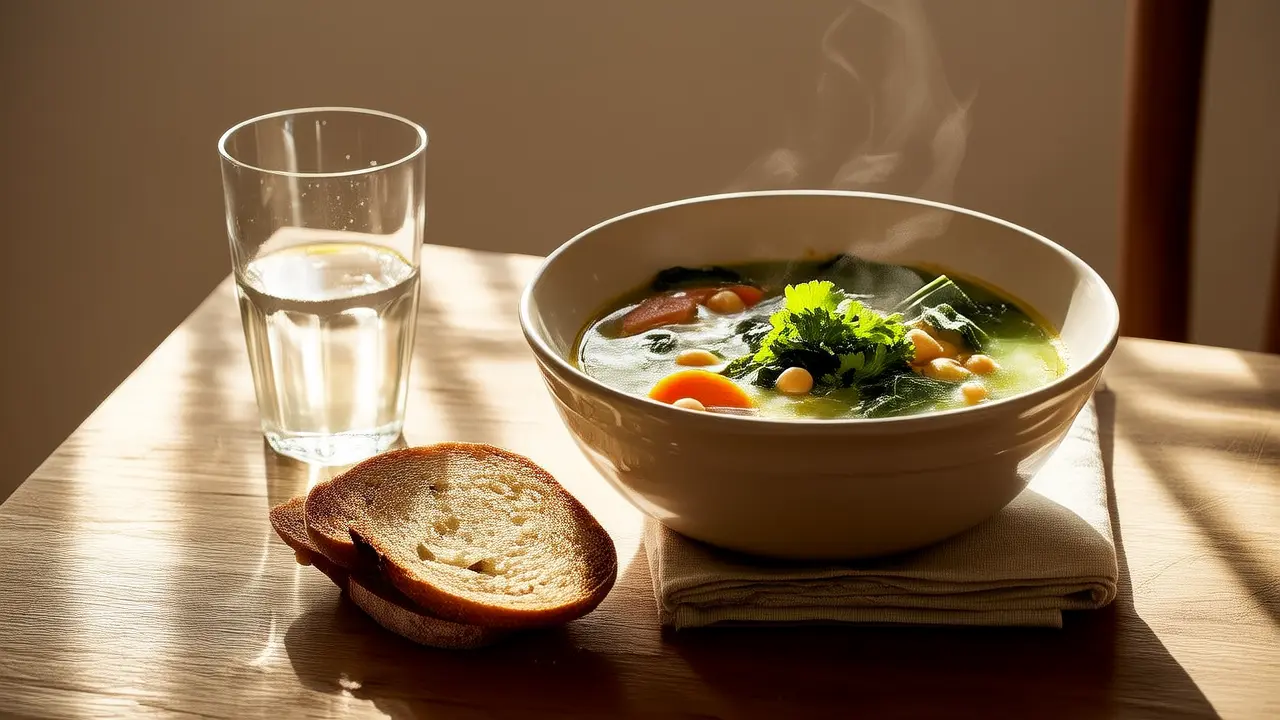
Start from your next meal and try these five steps:
- Put down your utensils: Place your chopsticks or fork on the table after each bite, focusing on the taste and texture of the food.
- Count your chews: Chew each mouthful 20–30 times until it becomes a fine paste before swallowing. At first, it may feel unfamiliar, so start with 10 chews and gradually increase.
- Drink warm water: Sip a small amount of warm water between meals to help moisten the food, but don't drink too much to dilute the gastric juices.
- Focus on eating: Turn off the TV and put your phone away, focusing only on the act of eating. If you're dining with friends, you can chat while eating, but remember to chew after talking.
- Adjust the order: You can follow the sequence of "first drink soup/porridge → then eat vegetables → followed by staple food → finally meat/beans," which helps gradually activate your stomach.
Why It Works
When we chew slowly and thoroughly, the enzymes in saliva have enough time to start breaking down starches and fats, greatly reducing the burden on the stomach. From a traditional Chinese medicine perspective, the spleen governs transformation and transportation, while the stomach governs reception. The spleen and stomach prefer "mildness" and "regularity." Eating too quickly is like a storm, catching the spleen and stomach off guard; whereas chewing slowly is like gentle rain, aligning with the natural rhythm. This practice can nourish the spleen and stomach, and replenish qi and blood, allowing the body to better absorb the energy from food. At the same time, eating slowly allows the brain to receive the "full" signal in time, preventing overeating, and making weight management easier without realizing it. This aligns with the concept of "following nature and maintaining dietary balance" in traditional Chinese health practices.
Summary: Try It Starting from Your Next Meal
Chewing slowly and thoroughly requires no money and no tools; all you need is the awareness to slow down your eating pace. After a few days of consistency, you will be pleasantly surprised to find less gas, more clarity after meals, and more regular bowel movements. Small changes can bring big differences, and your stomach will appreciate your patient care.
Disclaimer
The content of this article is for sharing health knowledge and cannot replace professional medical advice. If you have severe digestive system diseases or other health issues, please consult a doctor or registered dietitian. Dietary adjustments should be gradual, prioritizing your body's sensations.