
Introduction: Why Is the Abdomen Tense?
Long periods of sitting, high stress, shallow breathing... many people feel their stomachs are tight and even slightly distended during the day. This abdominal tension is very common, but don't worry—you don't need to go to the gym or use any tools. Spend 5 minutes a day doing a simple bodyweight abdominal contraction exercise, and your stomach will gradually relax, along with improved blood and qi circulation.
Technique Details: Seated Diaphragmatic Abdominal Contraction Relaxation Method
Applicable Issues
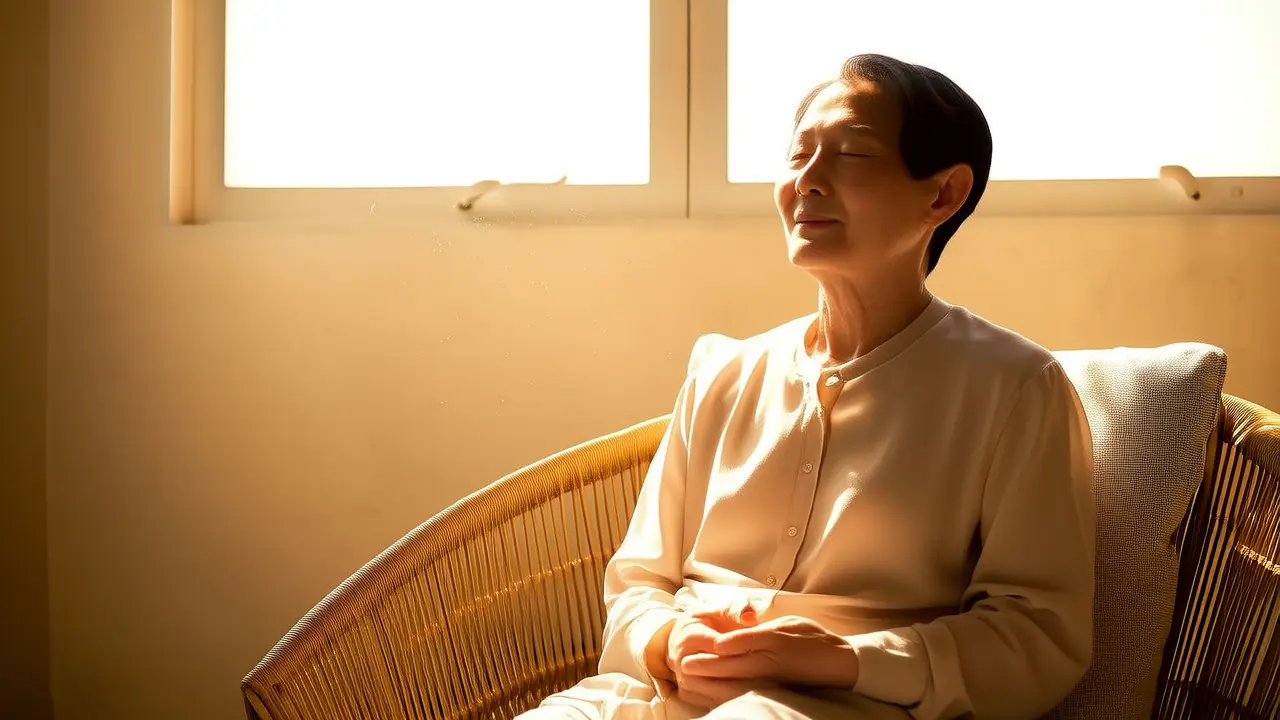
This exercise specifically targets a stiff abdomen, bloating, and a feeling of tightness when bending over. It is especially suitable for people who sit for long periods at work, after watching TV, or before going to bed.
Complete Steps
- Preparation: Find a stable chair, sit upright, place both feet flat on the ground, and gently place your hands on your lower abdomen. Close your eyes and take three natural breaths to relax your shoulders and back.
- Step 1: Inhale and Expand the Abdomen: Breathe in slowly through your nose, feeling your abdomen gently rise like a balloon under your hands. Note that your chest should not rise—only your abdomen should expand. Inhale for 3–4 seconds.
- Step 2: Exhale and Contract the Abdomen: Breathe out slowly through your mouth while gently pressing your hands inward against your abdomen, pulling your belly toward your spine. Imagine pulling your navel toward your back. Exhale for 4–6 seconds, trying to exhale completely.
- Step 3: Hold and Relax: After exhaling, hold your breath for 2–3 seconds, maintaining a slight inward contraction of your abdomen. Then breathe naturally and repeat the process.
- Repetition Count: Perform 6–10 repetitions as a set, doing 2–3 sets daily. The slower the better; avoid holding your breath or exerting too much force.
Physical Improvement Effects

This exercise can deeply stretch the abdominal muscles and fascia, relieving the sensation of tightness caused by prolonged sitting. At the same time, the gentle abdominal contraction and expansion promote intestinal movement, aiding in gas release and digestion. Additionally, deep diaphragmatic breathing can soothe the nervous system, reduce anxiety, and make the whole body feel relaxed. From a traditional Chinese medicine perspective, the abdomen is considered the "palace of the five organs and six viscera." Regular practice of this exercise can unblock the middle jiao qi mechanism, promote blood circulation, and achieve the health benefits of "dynamic and static balance."
Summary: Consistency Is the Best Care

It only takes 5–10 minutes a day, and you can do it on a chair. Do it in the morning after waking up or when feeling tired in the afternoon, and your abdomen will gradually become softer, and your breathing will be smoother. Combining it with mild exercises such as walking quickly or twisting your waist can enhance the effects. Remember, don't pursue perfection—comfort is the key. Your body belongs to you, so take it slow, and it will naturally reward you.
Disclaimer
This article is for reference only and cannot replace medical diagnosis or treatment. If you have severe abdominal pain, injuries, or are in the postoperative recovery period, please consult a professional physician first. If you experience discomfort during the exercise, stop immediately.