
Slow Walking Before Bed: The Simplest Way to Sleep Well
After a busy day, is your brain still running at high speed? Lying in bed, tossing and turning, feeling exhausted but unable to fall asleep. Actually, a simple habit - slow walking before bedtime - can help you calm down. No need for intense exercise or complicated plans. Put on comfortable shoes and take a slow walk in your room or neighborhood for a while, like comforting yourself, letting go of tension gradually.
Why Slow Walking Before Bed?
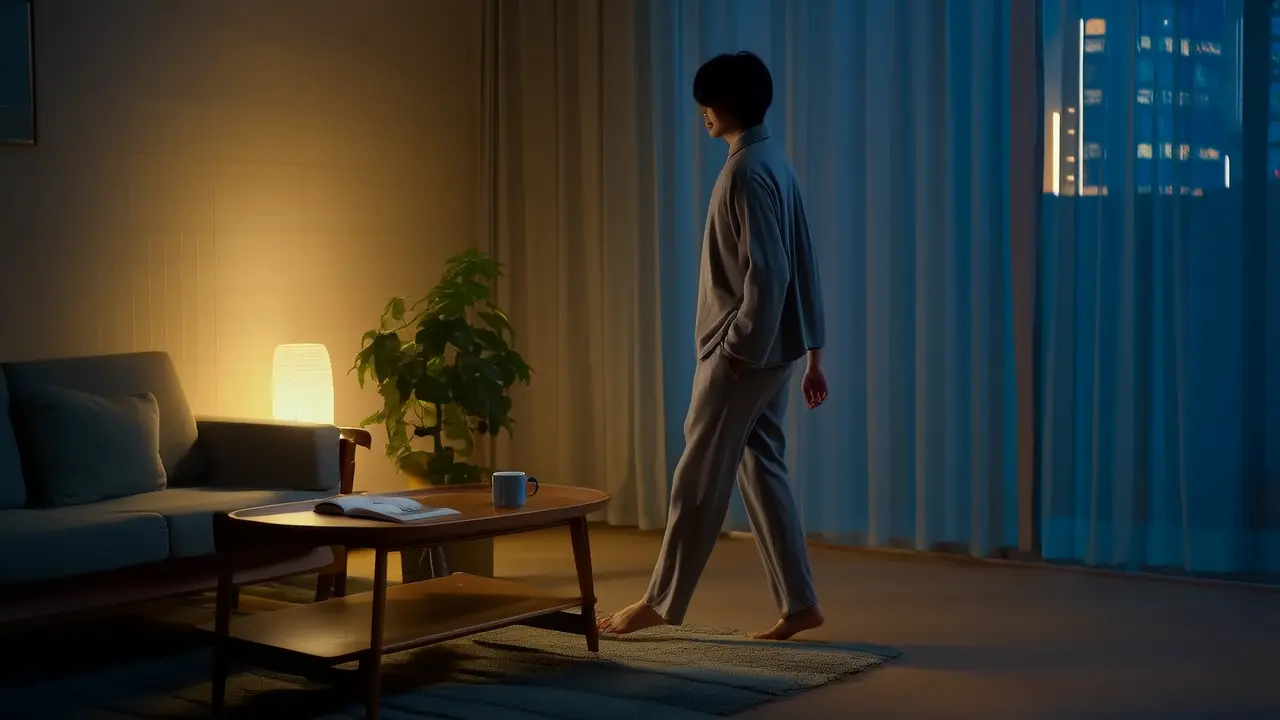
During the day, our body and mind are always tense, with energy flowing outward. At bedtime, we need to do something gentle to bring the energy back to a calm state. Slow walking is an excellent "transition." It won't make you excited, but instead relaxes muscles, calms nerves, and lets the heart gradually become quiet. In traditional Chinese medicine, it's said that "movement generates yang energy," but slow walking before bed is "light movement," with just the right intensity, which regulates energy without harming yin.
Correct Steps: How to Walk Slowly More Effectively
- Applicable Scenarios: 30 minutes to an hour before bedtime. You can walk in the living room, balcony, or quiet outdoor paths. Turn off your phone and focus only on walking.
- Specific Practice: Wear soft-soled shoes. Stand straight, relax your shoulders, and look straight ahead. Start walking at a very slow pace - half as slow as usual, like slowing down to a "leisurely stroll" rhythm. Let your arms hang naturally or swing gently. With each step, feel the sensation of your feet touching the ground.
- Time: 10 to 15 minutes is enough. Too long may be tiring, 10 minutes is just right.
Combine with Breathing for Doubled Effects
While walking slowly, add a simple breathing technique: inhale slowly through your nose, counting four steps mentally; then exhale gently through your mouth, counting six steps. Exhaling longer than inhaling will directly tell your body, "It's time to rest." Focus your attention on your breathing, and the messy thoughts in your mind will gradually fade away. After a few days of practice, you'll find that falling asleep becomes much easier.
After Slow Walking: A Cup of Warm Soothing Tea
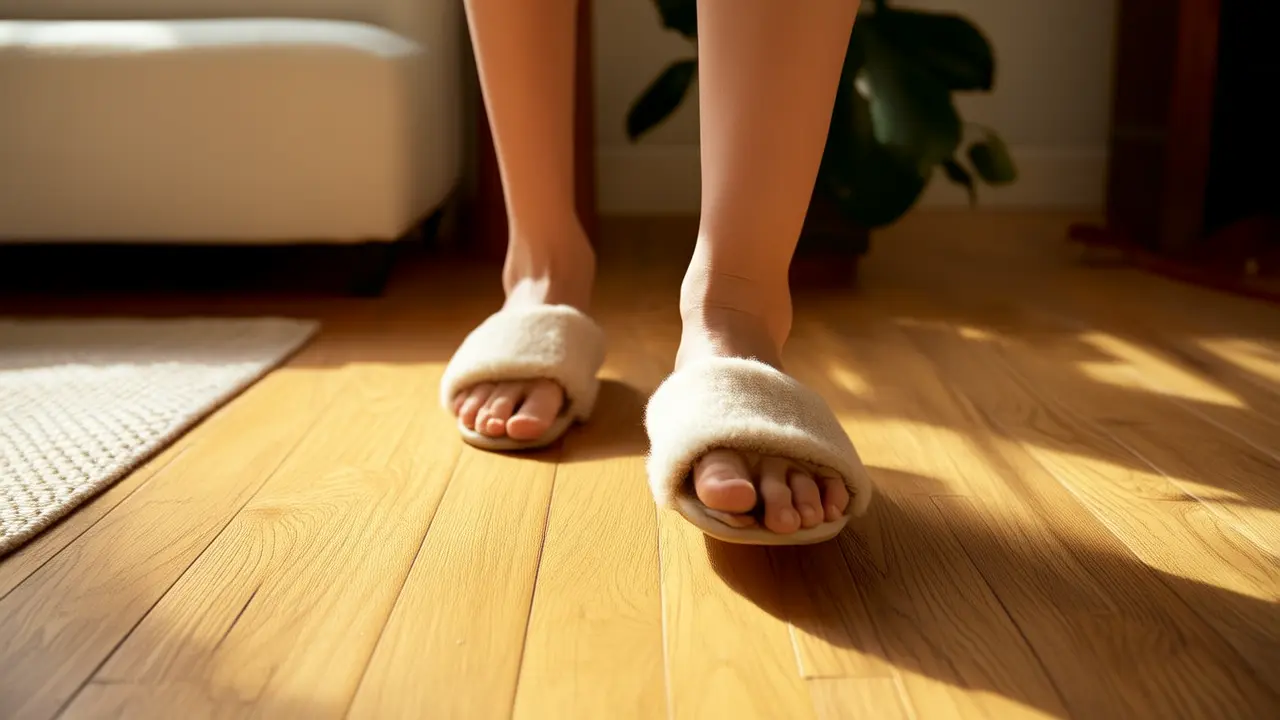
After walking, don't sit or lie down immediately. Stand in place, stretch lazily, and drink a glass of warm water or a cup of warm chamomile tea (you can also use red dates and goji berries to brew water). Warm things help your body transition from "activity" to "rest," following the rhythm of yin and yang balance. This tea is not essential, but it can make the feeling of relaxation last longer.
Remember: The core of slow walking before bedtime is "slow" and "steady." Avoid any activity that makes your heart beat faster. Just spend some time with your own body. After a week of consistency, you'll find that the night becomes more secure, and your sleep quality improves significantly.
Summary: A Simple Habit, a Good Night's Sleep

Slow walking before bedtime costs nothing and takes no time, yet it can calm both your body and mind. Try it, starting tonight. Put down your phone, put on your shoes, and walk slowly for ten minutes. You will receive a gift - a peaceful sleep.
Disclaimer: The content of this article is for general health reference only and does not constitute medical advice. If you have severe sleep disorders or other health issues, please consult a professional doctor or health advisor.