
Introduction: Eat Less Sugar, Age Slower
Do you often feel your body is getting heavier, your skin losing its luster, and your energy not as good as before? Actually, a large part of aging is hidden in your plate. The sugar that's everywhere in modern diets is quietly accelerating your aging process—it makes collagen brittle, slows down brain reactions, and reduces the elasticity of blood vessels. Today, we share a simple yet powerful golden rule: low-sugar anti-aging diet. This doesn't mean suffering through completely giving up all sweet foods, but rather teaching you gentle methods to reduce sugar's harm, combined with the wisdom of traditional Chinese health practices, helping your body gradually return to a younger state.
Technique Details: How to Eat a Low-Sugar Diet
Applicable Issues: Aging Signals Caused by Glycation
Loose skin, dullness, wrinkles; feeling sleepy after meals, decreased concentration; accumulation of fat around the waist and abdomen; stiff joints. These are all results of glycation (the combination of sugar with proteins) taking place inside the body.
Daily Practices: Simple Three Steps to Easily Control Sugar
- Step One: Replace Sources of Sweetness Replace white sugar, honey, and fruit juice with naturally low-sugar fruits (such as blueberries, strawberries, and avocado) and spices (cinnamon and vanilla). Avoid adding sugar to coffee or tea, instead use a little bit of cinnamon powder for flavor.
- Step Two: Adjust Eating Order Eat vegetables and protein first, then main dishes and desserts. This way, blood sugar rises more smoothly, and the body doesn’t need to secrete large amounts of insulin, thus naturally reducing glycation reactions.
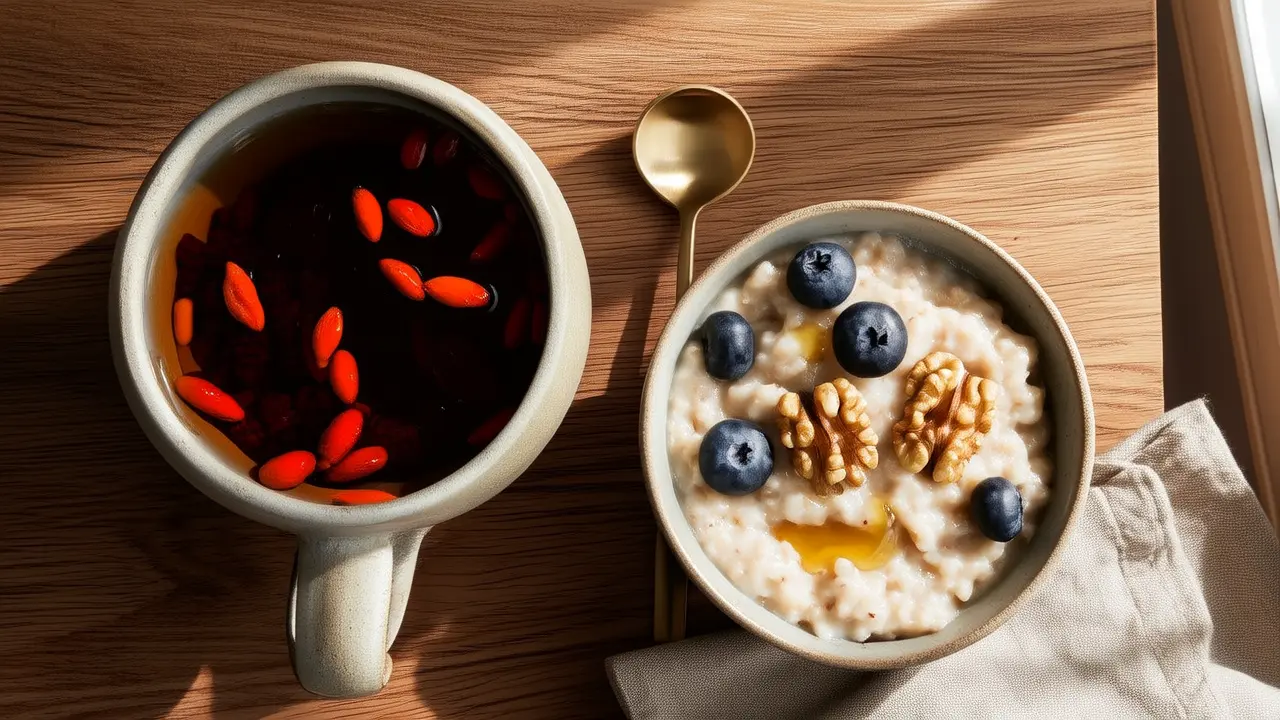
- Step Three: Drink a "Health Tea" Every Day Brew a cup of water with two red dates (split open), a small handful of goji berries, and three pieces of jujube. This tea nourishes the blood and qi, calms the mind, and gently satisfies the craving for sweetness. No additional sugar is added, just a subtle sweet aroma.
Detailed Steps: Practical Guide from Breakfast to Dinner
Breakfast: A bowl of unsweetened oatmeal, add one spoonful of flaxseed powder and half a cup of blueberries. Then drink a large glass of warm water.
Lunch: A large salad (lettuce, cucumber, tomato, chicken breast), make your own oil and vinegar dressing (olive oil + vinegar + garlic paste). Eat only a small portion of brown rice or quinoa as the main dish.
Dinner: Steamed fish or tofu, paired with stir-fried seasonal vegetables (broccoli, spinach). If possible, finish dinner before 7 p.m.
Snacks Throughout the Day: A small handful of nuts (walnuts, almonds), or a cup of unsweetened yogurt with a few goji berries.
Anti-Aging and Longevity Principles
From a Western scientific perspective, a low-sugar diet reduces the formation of advanced glycation end products (AGEs), protecting collagen and elastic fibers, keeping the skin firm; it also stabilizes blood sugar levels, reduces insulin resistance, lowers inflammation levels, and protects the brain and blood vessels. From the perspective of traditional Chinese health practices, reducing sugar intake is equivalent to "balancing the internal organs," avoiding spleen deficiency and dampness, allowing the flow of qi and blood to be smoother. Red dates, goji berries, and jujubes can "nourish the blood and qi, strengthen the foundation," and long-term adherence can achieve the effect of "longevity and health." This not only fights aging but also helps you feel more balanced and sleep better every day.
Summary: Start Changing Gently from Today
A low-sugar anti-aging approach is not extreme dieting, but a gentle care for your body. Every bite of sugar you eat less means less pressure on aging. Combined with a cup of health tea and a deep breath, you will find your skin gradually becomes brighter and your body more energetic. Remember: the core of the golden rule is balance—not just controlling sugar, but nourishing your entire body with gentle Chinese wisdom. Keep going, and time will give you the best reward.
Disclaimer
The content of this article is for reference only and does not constitute medical advice. If you have diabetes, hypoglycemia, or other metabolic diseases, please consult a professional doctor or nutritionist before adjusting your diet. Individual differences exist, so adjust according to your own feelings appropriately. We do not exaggerate the effects, nor do we replace treatment.