
Introduction
Water is the source of life, but have you really been drinking it correctly? Many people only drink when they feel thirsty or gulp down a large glass at once - these habits actually increase the burden on the body. Traditional Chinese medicine often says "drink water according to the body's rhythm to nourish essence and energy," meaning that small sips of water in line with the body's natural cycle can truly nourish the internal organs. Today, I share five extremely simple daily tips for scientific hydration. You don't need to remember complex formulas; just follow them, and you can easily develop a scientific hydration habit. Remember: drinking water is not a task, but a gentle care for yourself.
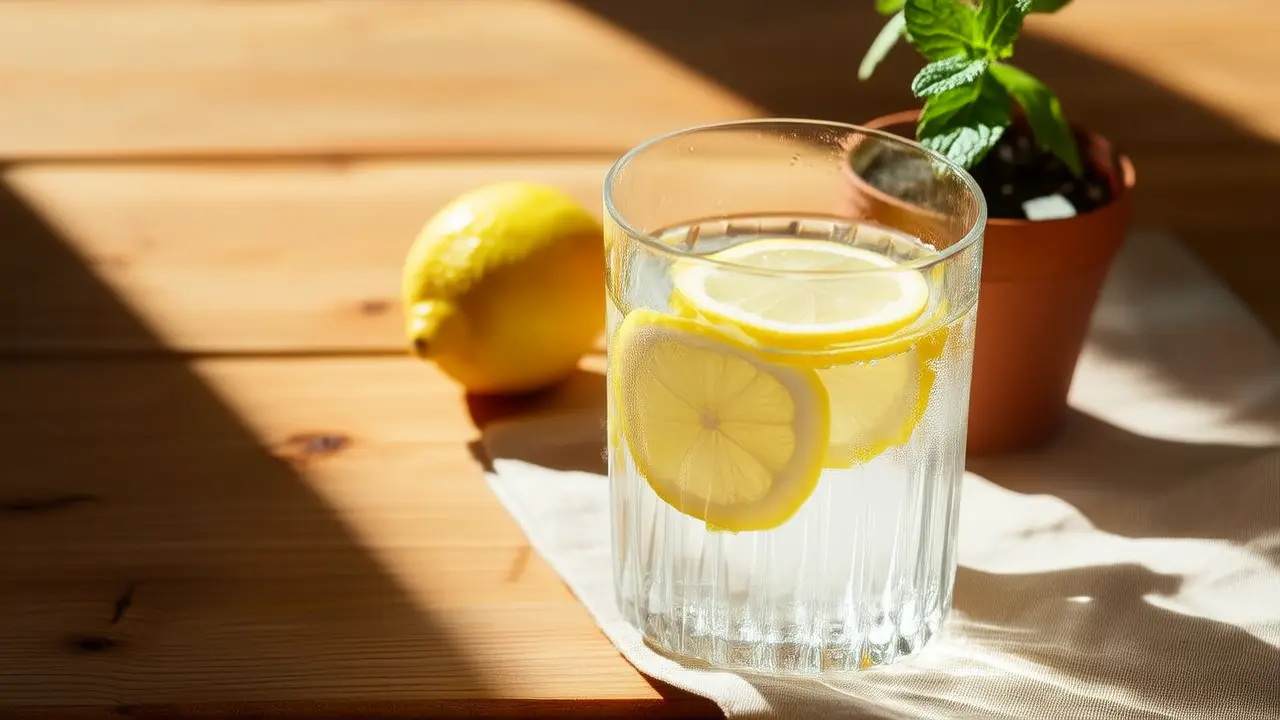
Tips One: A Glass of "Wake-Up Water" in the Morning
Applicable Scenario: After waking up every day, before or after brushing teeth.
Method: Prepare a glass of warm water (about 200 ml), sip slowly, allowing the water to gently pass through the throat and esophagus. You can add one or two slices of lemon or a spoonful of honey, but avoid adding sugar or salt.
Daily Implementation: Place the water glass on the nightstand or by the sink so that it's easy to see. Wait 5 minutes after drinking before having breakfast.
Effect: After a night's sleep, the body is in a mildly dehydrated state. A glass of warm water in the morning can gently awaken the stomach and intestines, promote detoxification, and make the skin look hydrated from the inside out. According to traditional Chinese medicine, this aligns with the health rhythm of "rising with the sun," helping to generate yang energy.
Tips Two: "Appetite-Boosting Water" Before Meals
Applicable Scenario: 15-20 minutes before each main meal.
Method: Drink half a glass (about 100-150 ml) of warm or room temperature water, sipping slowly without gulping it down.
Daily Implementation: Set a reminder on your phone or watch before meals, or place the water glass on the table and take a few sips before starting the meal.
Effect: Drinking an appropriate amount of water before meals can activate the digestive system in advance, increase gastric juice secretion, and help better absorb nutrients. It also creates a slight sense of fullness, preventing overeating. This follows the traditional Chinese concept of "moistening first, then eating," preparing the body to receive food.
Tips Three: "Slow Hydration" After Exercise
Applicable Scenario: After any physical activity that causes sweating (including walking, yoga, or housework).
Method: Don't drink water immediately after exercise. Rest for 2-3 minutes first, then slowly drink a small glass of warm water (about 150 ml), and then take a small sip every 5 minutes until you no longer feel thirsty.
Daily Implementation: Carry a small water bottle during exercise and place it where it's visible. If you sweat a lot, you can drink a little bit of diluted salt water or coconut water, but avoid sports drinks (which are too high in sugar).
Effect: Drinking a large amount of water immediately after intense exercise can dilute electrolytes, causing dizziness or cramps. Slowly replenishing fluids allows the body to absorb water more comfortably, replace lost fluids, help muscles recover, and protect kidney energy.
Tips Four: "Soothing Water" Before Sleep
Applicable Scenario: 30-60 minutes before going to bed.
Method: Drink a small sip of warm water (about 50-80 ml) to moisten the throat. If you tend to wake up during the night, keep a glass of water by your bedside and take a small sip if you wake up during the night.
Daily Implementation: Turn drinking water before bedtime into a ritual - sip a little after turning off the lights, after soaking your feet, or after finishing reading a book.
Effect: Drinking a large amount of water before bed increases the frequency of nighttime bathroom visits, affecting sleep quality. A small amount of water can prevent dry mouth and throat at night while helping maintain appropriately thin blood, which is good for the cardiovascular system. Traditional Chinese medicine emphasizes "nourishing yin during sleep," and proper hydration helps the body repair itself during sleep.
Tips Five: "Eaten" Water - Fruit and Vegetable Hydration Method
Applicable Scenario: Between meals or when you feel dry mouth but don't want to drink water.
Method: Choose fresh fruits and vegetables with high water content: cucumber, watermelon, strawberries, oranges, lettuce, tomatoes, etc. Eat 1-2 portions (about the size of a fist) as a snack each day.
Daily Implementation: Wash and cut the fruits and vegetables and store them in a visible place in the refrigerator, or carry a small container with you. The best time to eat them is around 3 o'clock in the afternoon.
Effect: The water in fruits and vegetables is "living water," containing natural vitamins and minerals that are easier for cells to utilize than plain water. They are also rich in dietary fiber, helping the intestines detoxify. This method of "food supplementation with water" is very gentle, suitable for those who don't like drinking plain water, and aligns with the wisdom of TCM's "medicinal and dietary homology."
Summary
Developing a scientific hydration habit doesn't require forcing yourself to drink eight glasses of water every day. Incorporate these five simple tips into your daily routine - a glass of wake-up water in the morning, appetite-boosting water before meals, slow hydration after exercise, a small sip of soothing water before bed, and a portion of fruit and vegetable hydration. After sticking to it for a week, you will find your skin looks brighter, your energy level is higher, and even your bowel movements become more regular. Remember, the best way to stay healthy is to do simple things at the right time. Start today and show yourself some gentle love with a glass of water.
Disclaimer
The content of this article is for reference only and cannot replace professional medical advice. If you have kidney disease, heart failure, or other conditions that require limiting fluid intake, please consult a doctor first. Everyone's physical condition is different, so adjust your water intake based on your own feelings. Scientific hydration comes first, safety always.