
Introduction
Do you often toss and turn in bed, unable to fall asleep? Don't worry, the problem may not be with you, but with the temperature of your room. Today, we'll talk about a simple and magical sleep aid tip - adjusting your bedroom to the optimal temperature for sleep.
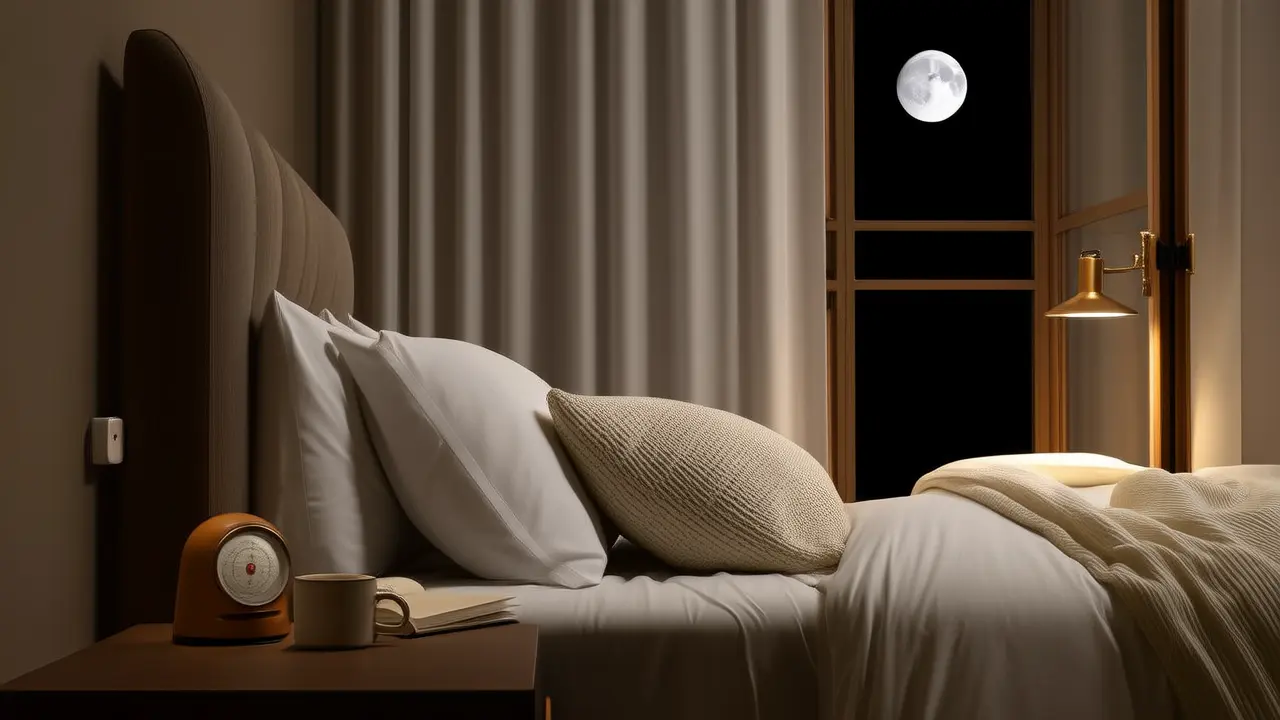
What is the optimal temperature?
Many people don't know that the ideal room temperature for sleeping is 18 to 22 degrees Celsius, or 65 to 72 degrees Fahrenheit. This temperature might sound a bit cool, but it's precisely this that helps your body relax and fall asleep faster.
Why is this temperature effective?
When we sleep, our bodies slightly lower their temperature. If the room is too hot, your body has to work hard to dissipate heat, making you feel irritable; if it's too cold, you'll curl up, causing muscle tension. The temperature range of 18 to 22 degrees is just right, like a gentle hand, softly calming your anxiety and helping you relax and sleep peacefully.
How to do it
It's very simple. An hour before bedtime, adjust your air conditioner to this temperature, or open the window to let fresh air in. If it's winter, you can slightly increase the temperature, but don't cover yourself with thick blankets. In summer, just use a fan to let a gentle breeze touch your body. You can also wear thin socks to keep your feet warm, which helps promote better blood circulation.
Improvements brought about
By consistently maintaining this temperature, you will find that falling asleep becomes easier, and you no longer wake up frequently during the night. Waking up the next day, you'll feel refreshed and emotionally more stable. It's like following the natural rhythm of life, allowing your body to return to balance between yin and yang.
Summary
A suitable room temperature is the best friend of sleep. Try it tonight by adjusting your room to 18 to 22 degrees Celsius, and combine it with a comfortable pillow. You will experience a different kind of relaxation. Good sleep starts with the right temperature.
Disclaimer: This article is for general reference only and does not constitute medical advice. If you have severe sleep problems, please consult a professional doctor.