
Introduction: Let Music Be Your Nighttime Companion
Have you ever tried lying in bed at the end of the day, unable to fall asleep? Your mind keeps replaying the worries of the day. Don't worry, it's not your fault. We all need a little help to switch from being busy to being relaxed. Just a small trick will do: listen to some soft music. Gentle music is like a kind friend that helps you release stress and slowly drift into sleep. Today, we'll talk about this simple yet effective technique - listening to soft music for stress relief and better sleep.
Why Does Soft Music Help You Relax?

Imagine hearing the sound of flowing water or a gentle piano melody; your body will naturally relax. The rhythm of soft music is usually slow (about 60 to 80 beats per minute), which matches our heart rate when we are calm. It acts like a key, gently unlocking your body's switch: lowering adrenaline, slowing down your heartbeat, and making your breathing deeper. This is called "calming the mind and soothing the spirit." In traditional Chinese medicine, music is also seen as a way to balance the flow of qi and blood, restoring the balance of yin and yang in the body, easing both body and mind, and making it easier to fall asleep.
How to Do It: Three Steps
- Step One: Choose the Right Music. Look for instrumental music without vocals, such as piano pieces, guqin melodies, or sounds of nature (rain, waves, wind). Avoid songs with fast rhythms. You can search for keywords like "stress-relief soft music" or "sleep aid music" on your phone's music app and create a dedicated playlist.
- Step Two: Set Up the Environment. Half an hour before bedtime, dim or turn off the lights in your room, lie down or sit on the sofa. Adjust the volume to just audible, not too loud. It's best to set a timer to automatically stop after 30 minutes.
- Step Three: Combine with Simple Breathing Techniques. Close your eyes, breathe in slowly with the music, count "one, two," then exhale slowly, counting "three, four." Focus all your attention on the music and your breathing. If random thoughts pop up, don't be upset; gently put them aside and return to the music. By consistently practicing this simple "listen to soft music" ritual every day, you will notice changes within a week.
The Improvements It Brings: From Body to Mind

Many people find that after trying for one or two weeks: their time to fall asleep becomes shorter, and the number of times they wake up during the night decreases. More importantly, daytime tension and anxiety are also reduced. Listening to soft music not only helps with nighttime sleep but also helps you develop a habit of relaxing before bed, gradually improving overall mental health. It can also help you "follow your schedule," allowing your body to naturally follow the natural day-night cycle - this is what traditional Chinese medicine refers to as "following yin and yang."
Summary: Give Yourself Some Quiet Musical Time Every Day
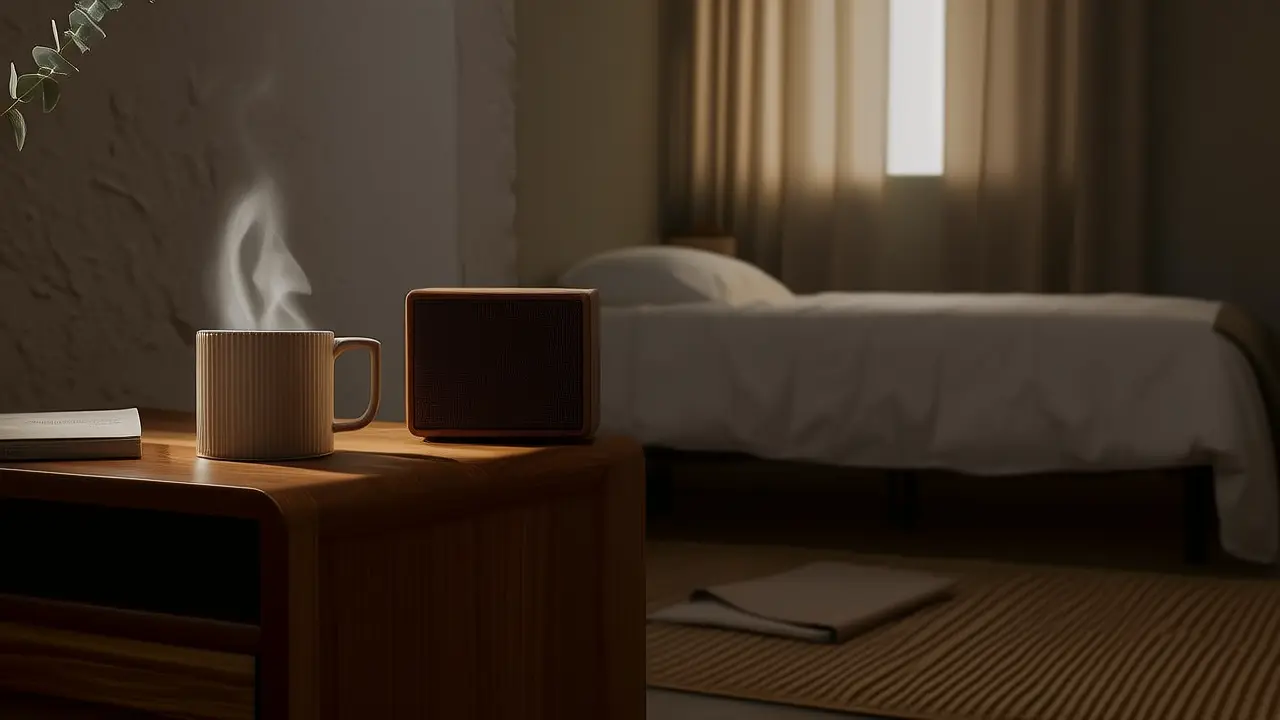
Listening to soft music for stress relief and better sleep is not just empty words. It's a warm, low-risk pre-sleep tip. No matter how busy or tired you are during the day, give yourself 15 to 30 minutes, put on your headphones or turn on the speaker, and let the gentle melody comfort your heart. You don't need expensive equipment or complex knowledge; just a little patience and consistency. I hope you try it tonight and then discover that getting a good night's sleep can be so simple.
Disclaimer: The content of this article is for reference only and is not intended for diagnosis, treatment, or replacement of professional medical advice. Everyone's physical condition is different. If insomnia or stress issues persist, please consult a doctor or mental health professional. When listening to music, pay attention to the volume to avoid affecting your hearing.