
Introduction: A Gentle Charge for the Body During Afternoon Naps
At around 2 or 3 o'clock in the afternoon, warm sunlight gently streams through the window. Your eyelids start to feel heavy, your mind seems foggy, and you lack energy to do anything. Instead of rushing to drink coffee or forcing yourself to keep going, try a small habit: take a 20-minute nap every day. This brief pause is like pressing the "pause button" on your body, helping you easily regain energy and even making your mood calmer.
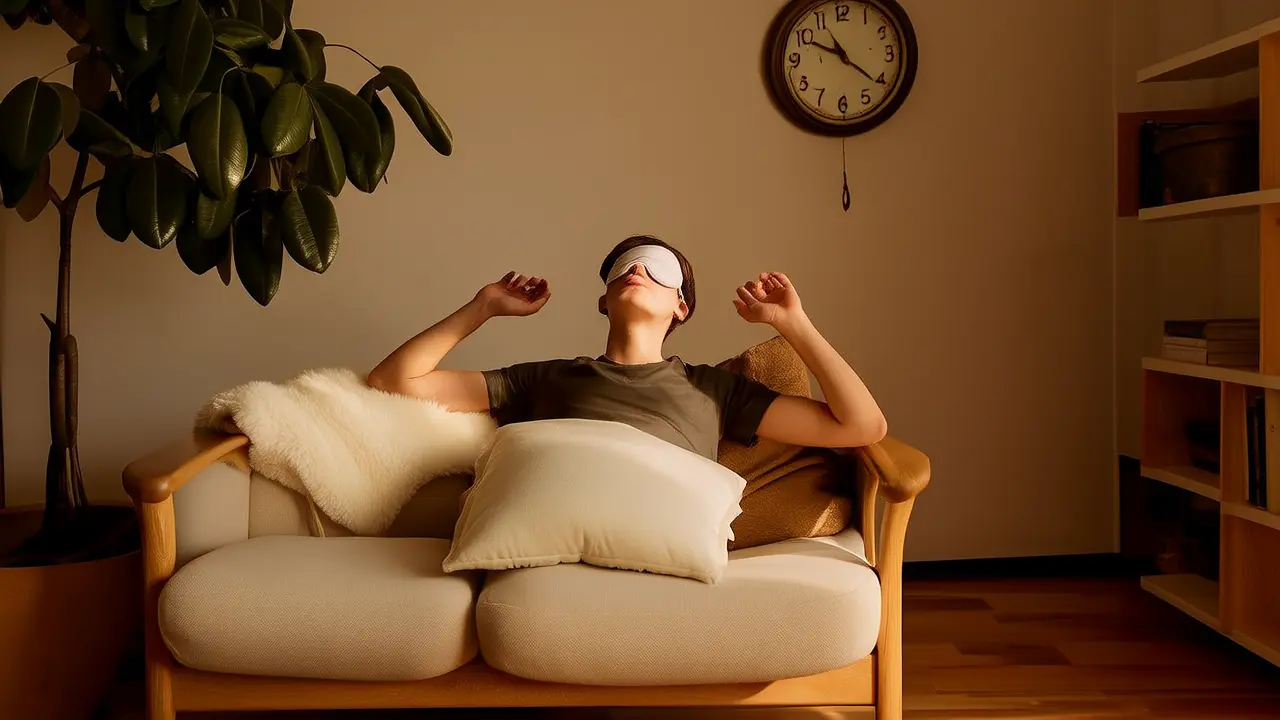
Why 20 Minutes?
Twenty minutes is just the right length, allowing the brain to enter a light rest. Too short and it won't be effective; too long and you might feel more tired when you wake up. Traditional Chinese medicine often says, "a short nap at noon nourishes the heart and calms the spirit." Midday is when yang energy is strongest. A brief nap can balance qi and yin, helping the body follow natural rhythms.
Applicable Scenarios: When Do You Need This Technique?
- Feeling drowsy after lunch, unable to concentrate
- Feeling tense and less efficient in the afternoon during work or study
- Lack of sleep at night, needing to "recharge" during the day
- People who are easily anxious and fatigued
How to Take a 20-Minute Nap Correctly?
Step 1: Find a Quiet, Dimly Lit Place
You don't need a bed. A sofa, a recliner, or even just closing your eyes in an office chair will do. Pull down the curtains or use an eye mask to block out the light, creating a darker environment that helps your brain relax.
Step 2: Set an Alarm for Exactly 20 Minutes
Put your phone on silent and set a 20-minute alarm. This way, you can calmly let go of distractions without worrying about oversleeping. Traditional Chinese medicine suggests "closing your eyes to nurture the spirit." Even if you don't fall asleep, simply resting quietly can nourish yin and calm the mind.
Step 3: Adopt a Comfortable Position
Lie flat or semi-reclined, with your legs slightly elevated (if possible). Place a small pillow under your head and fully relax your body. Place your hands on your stomach and feel the rise and fall with your breath.
Step 4: Combine with Deep Breathing
After closing your eyes, inhale slowly through your nose for 4 seconds, hold for 2 seconds, then exhale slowly through your mouth for 6 seconds. Do this three times to gradually stabilize your heartbeat. This small technique can relieve mental tension and leave anxiety outside the door.
What Can You Feel by Sticking to It?
By taking a 20-minute nap every day, you'll find that afternoon fatigue significantly decreases, your concentration improves, and your mood becomes more stable. Your body feels recharged, effortlessly handling the tasks of the afternoon. Traditional Chinese medicine believes this habit can "regulate liver qi and calm the mind," which is especially beneficial for people under long-term stress.
Summary: A Small Nap, Big Rewards
Afternoon fatigue is your body's way of telling you: it's time to rest. Give yourself a gentle hug with 20 minutes, follow your sleep schedule, and cultivate a calm mind. Remember, good rest is for better progress. Try it, and you'll fall in love with this simple and healing habit.
Disclaimer: The information provided in this article is for health reference only and does not constitute medical advice. If you have sleep disorders or persistent fatigue, please consult a professional doctor.